How to Build a Safe Indoor Run for Guinea Pigs
Create a secure indoor exercise area for guinea pigs with protective flooring, sturdy barriers, hiding places, and calm supervision.
- Written by
- Pawlito Editorial Team · AI-assisted guide
- Professional review
- Not yet reviewed by a veterinarian
- Published
- Last updated
In this guide (7 steps)
Step 1: Select a quiet protected room
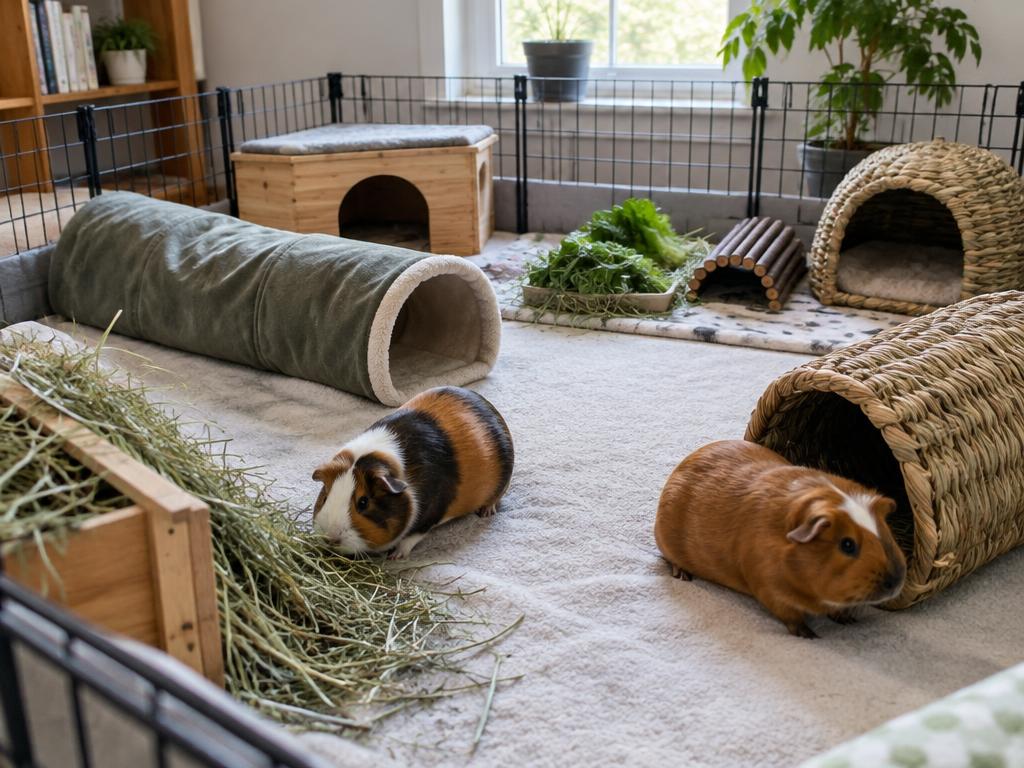
Choose an area away from sun, heat, drafts, and busy doors. Provide room to walk, explore, turn, and avoid companions rather than a narrow track. Physically separate dogs, cats, and other pets with a closed door. Check temperature before each session. A run supplements a spacious permanent enclosure; it cannot compensate for cramped everyday housing. Make the whole area safe before bringing guinea pigs inside.
Step 2: Assemble secure barriers
Use purpose-made panels with openings too small for the smallest guinea pig's head. Follow assembly directions and secure corners and gates. Avoid sharp wire, loose fasteners, and uncertain mesh spacing. Push gently from both sides to test stability. Remove climbing aids near the edge. Familiar animals can still escape through overlooked gaps, so inspect every connection instead of trusting their past behavior.
- Check spacing against the smallest animal.
- Keep connectors beyond chewing reach.
Step 3: Protect feet and floors
Use a waterproof base protected by absorbent nonslip bedding such as properly prepared fleece. Hide plastic edges from chewing and smooth folds. Avoid bare wire, slippery flooring, and loops that catch nails. Check the walking surface remains dry, especially near water and hay. Replace damp parts promptly and clean leaks underneath. Bedding must protect the animals, not merely keep household flooring presentable.
Good to know: Have spare dry bedding ready before the session starts.
Step 4: Remove household hazards
Inspect from guinea-pig height and just beyond barriers. Remove cables, chargers, plants, cleaners, medication, and small objects. Block furniture gaps instead of relying on later retrieval. Keep upholstery, curtains, and painted wood out of reach. Allow cleaned surfaces to dry and follow animal-safety directions. Never spray cleaning products or fragrances around animals during exercise. Recheck the space even if it was safe last time.
- Look beneath and behind furniture.
- Keep cables unreachable through pen panels.
Step 5: Provide hay and escape routes
Offer fresh grass hay, water, and several shelters. Choose hideaways with more than one exit so one companion cannot trap another. Distribute resources rather than placing everything in one corner. Use broad floor-level tunnels; avoid exercise balls, wheels, steep ramps, and elevated platforms. Keep routes between shelters so cautious animals can explore in stages without crossing large exposed areas.
Good to know: Their usual hay near shelters encourages exploration without unfamiliar treats.
Step 6: Introduce without pressure
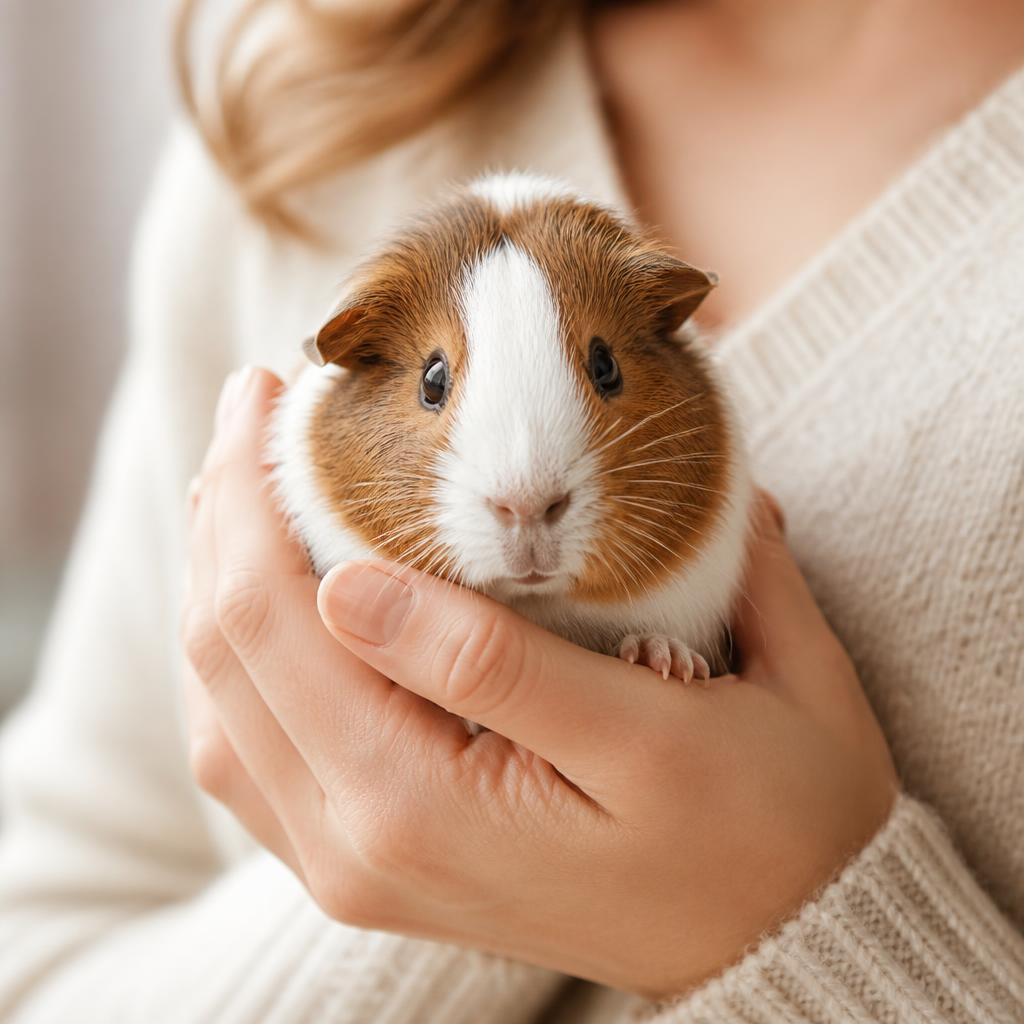
Transfer using a secure carrier or familiar tunnel, supporting bodies for any necessary lifting. Place established bonded companions together when appropriate and begin with a short supervised session. Sit quietly and allow hiding, sniffing, and exploration. Do not chase out of shelters or repeatedly pick up to force exercise. End calmly for freezing, scrambling at barriers, or escalating conflict and reconsider the setup.
Good to know: A familiar hideaway from the main enclosure can reduce exposure in a new space.
Step 7: Supervise and review sessions
Watch chewing, spills, moving panels, and disagreements throughout. A pen does not replace supervision, especially with children and pets nearby. Return animals before leaving the room, then remove droppings and damp bedding. Check damage before storage. Adapt duration to comfort rather than a fixed target. Persistent reluctance to move or changes in walking needs veterinary advice, not a more stimulating exercise area.
This guide was drafted with AI assistance and published by the Pawlito team. It has no formal source list yet. Spotted an error? Tell us and we'll correct it. Read our editorial policy.
Ask about this guide
Leave a comment or a question. Comments are public, so use a first name only and don't include emails, phone numbers or addresses. An automated assistant may reply straight away with general suggestions — it can't diagnose your pet.