How to Keep Your Dog Safe and Warm in Winter
Practical cold-weather care for dogs: safe walks, paw protection, warm bedding, and the warning signs that mean it is time to head indoors.
- Written by
- Pawlito Editorial Team · AI-assisted guide
- Professional review
- Not yet reviewed by a veterinarian
- Published
- Last updated
In this guide (9 steps)
- 1. Know your dog's cold tolerance
- 2. Choose a well-fitting coat if needed
- 3. Shorten walks and pick safer times
- 4. Protect paws from ice and grit
- 5. Wipe paws and belly after every walk
- 6. Keep toxic winter chemicals out of reach
- 7. Make a warm, draught-free bed
- 8. Keep them busy indoors
- 9. Know the warning signs of cold stress
Step 1: Know your dog's cold tolerance
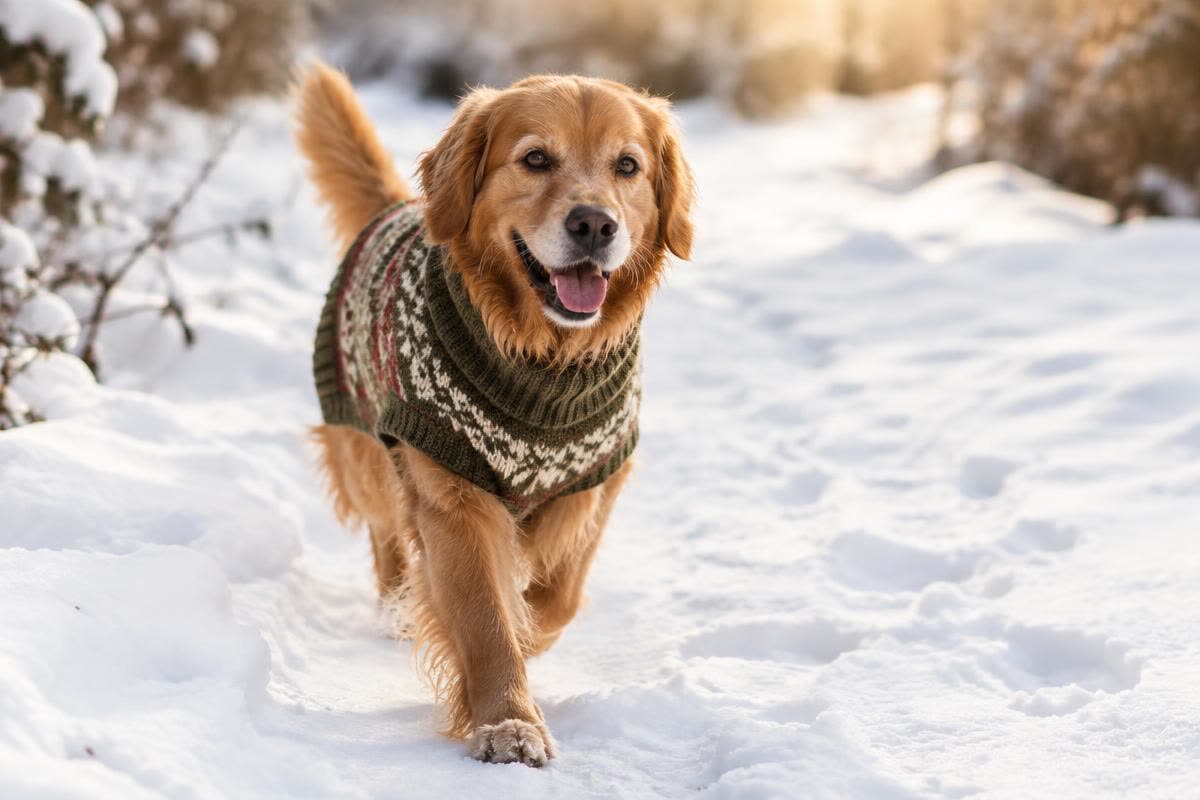
Not every dog handles cold the same way. Thick double-coated breeds such as huskies cope far better than short-haired, small, very young, senior, or thin dogs. Dogs with health conditions may also struggle to keep warm. Watch how your dog behaves outdoors and adjust walks to their comfort rather than to the calendar.
- Small and short-coated dogs feel cold fastest
- Puppies and senior dogs need extra care
- Wind and wet weather make cold feel worse
Step 2: Choose a well-fitting coat if needed
A coat helps dogs that lose heat quickly. It should cover the back and chest, allow free movement, and never rub under the legs. Dry the coat between walks, because a damp coat makes a dog colder, not warmer.
Good to know: Measure from the base of the neck to the base of the tail before buying a coat.
Step 3: Shorten walks and pick safer times
On very cold days, take several short walks instead of one long one. Walk in daylight where possible so drivers can see you, and add a reflective lead or light-up collar for darker mornings and evenings. Keep your dog on the lead near frozen water, because ice can break without warning.
- Short, frequent walks in freezing weather
- Reflective or light-up gear in the dark
- Never let your dog onto frozen ponds or lakes
Step 4: Protect paws from ice and grit
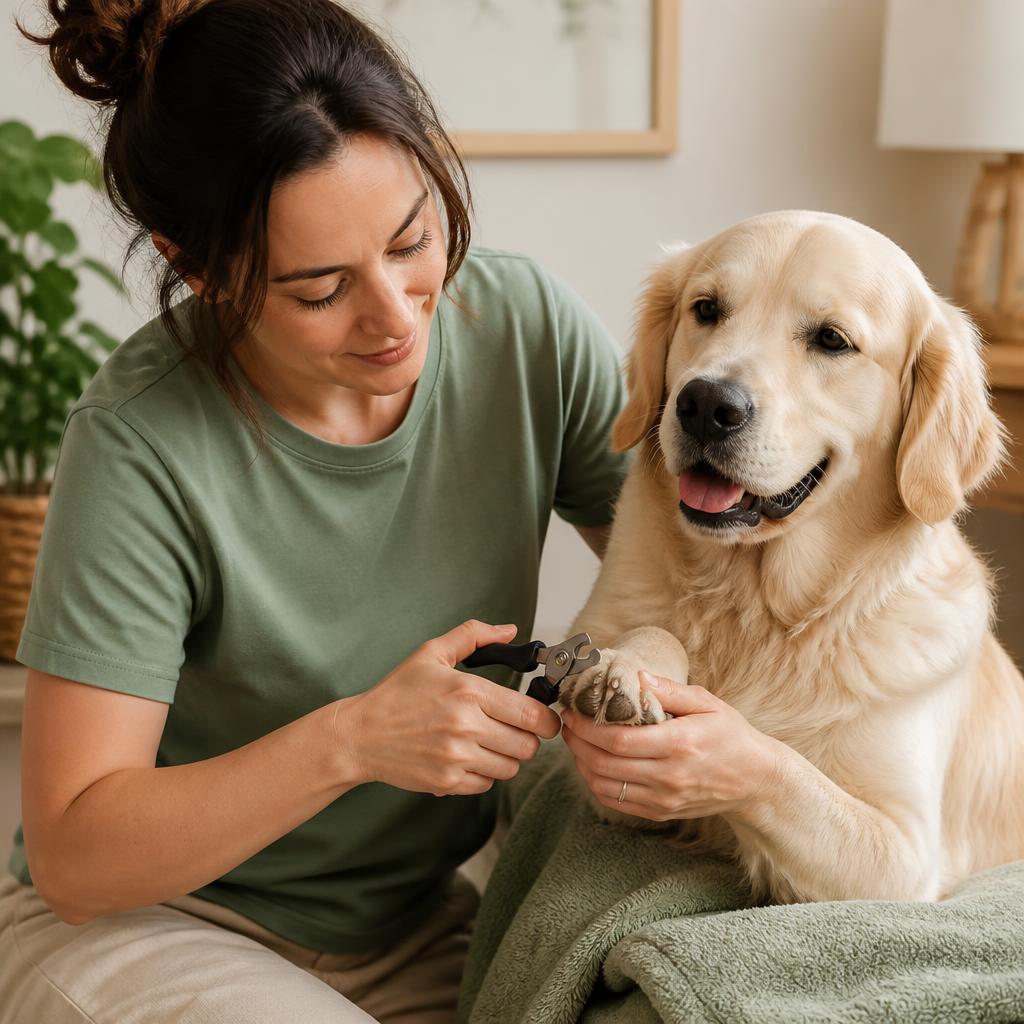
Road salt and grit can sting and dry out paw pads, and packed snow can form painful ice balls between the toes. Trim long fur between the pads, and consider a pet-safe paw balm or dog boots if your dog accepts them.
Good to know: Introduce boots indoors with treats for a few days before using them outside.
Step 5: Wipe paws and belly after every walk
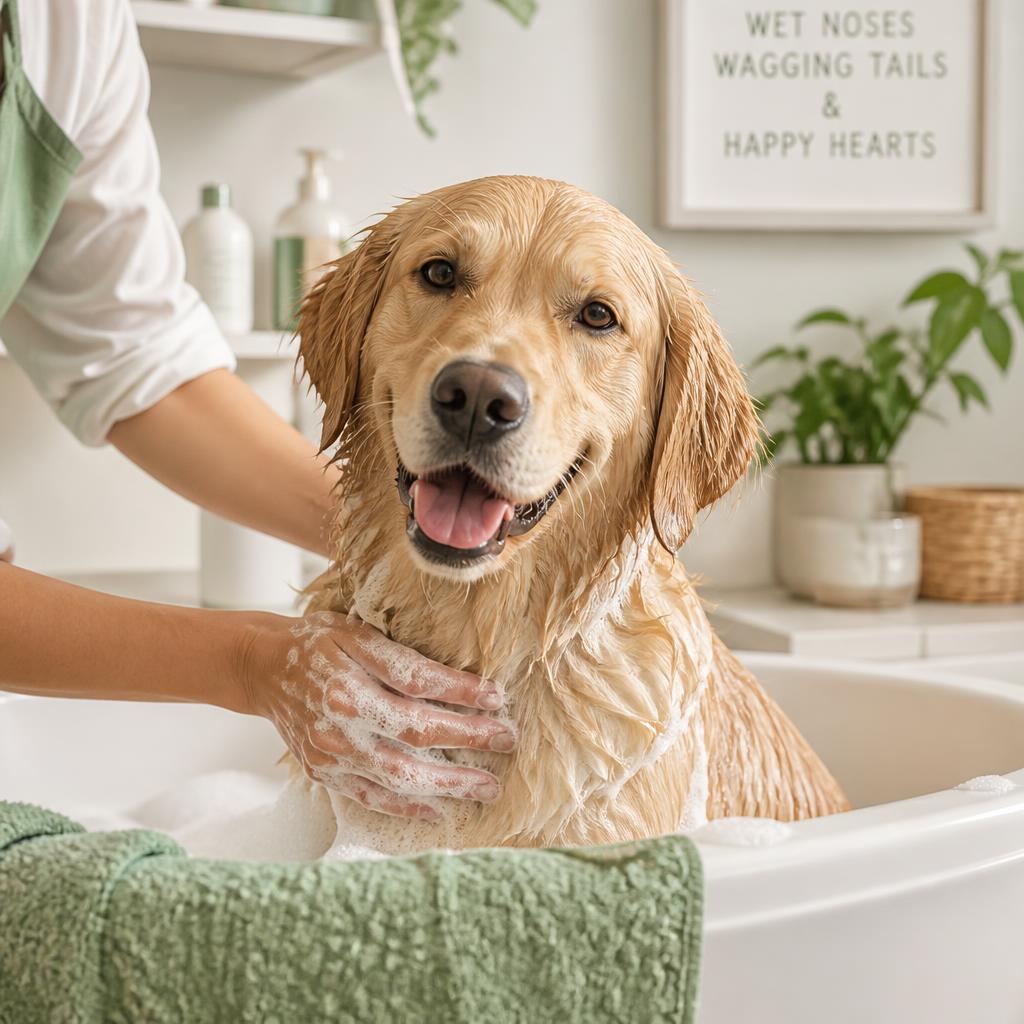
Rinse or wipe paws, legs, and belly with lukewarm water after walks on treated roads, then dry them fully. This stops your dog from licking off salt or antifreeze residue, which can be harmful if swallowed.
Step 6: Keep toxic winter chemicals out of reach
Antifreeze tastes sweet to dogs and is extremely dangerous even in small amounts. Store it sealed and high up, clean spills straight away, and choose pet-safer de-icers for your own paths.
Good to know: If you think your dog has swallowed antifreeze, contact a vet or emergency clinic immediately, even if they seem fine.
Step 7: Make a warm, draught-free bed
Indoors, move your dog's bed away from doors, windows, and cold floors. Raise it slightly or add extra blankets so your dog can burrow. Avoid heaters or hot water bottles your dog could chew or knock over.
- Bed off cold tiles and away from draughts
- Extra washable blankets
- No unattended heaters within reach
Step 8: Keep them busy indoors
Shorter walks can leave energy unused. Add indoor games such as scent work, puzzle feeders, and short training sessions so your dog stays mentally and physically satisfied through the cold months.
Step 9: Know the warning signs of cold stress
Shivering, whining, lifting paws, slowing down, or trying to turn back are signs your dog is too cold, so head home and warm them gently. Weakness, pale gums, stiffness, or unusual sleepiness can indicate hypothermia or frostbite and need prompt veterinary attention.
Good to know: Warm a chilled dog gradually with dry towels and blankets, not direct heat.
This guide was drafted with AI assistance and published by the Pawlito team. It has no formal source list yet. Spotted an error? Tell us and we'll correct it. Read our editorial policy.
Ask about this guide
Leave a comment or a question. Comments are public, so use a first name only and don't include emails, phone numbers or addresses. An automated assistant may reply straight away with general suggestions — it can't diagnose your pet.