How to Stop Your Dog Digging Up the Garden
Protect your borders and give your dog a better outlet with safe garden changes, rewarding training and a digging spot of their own.
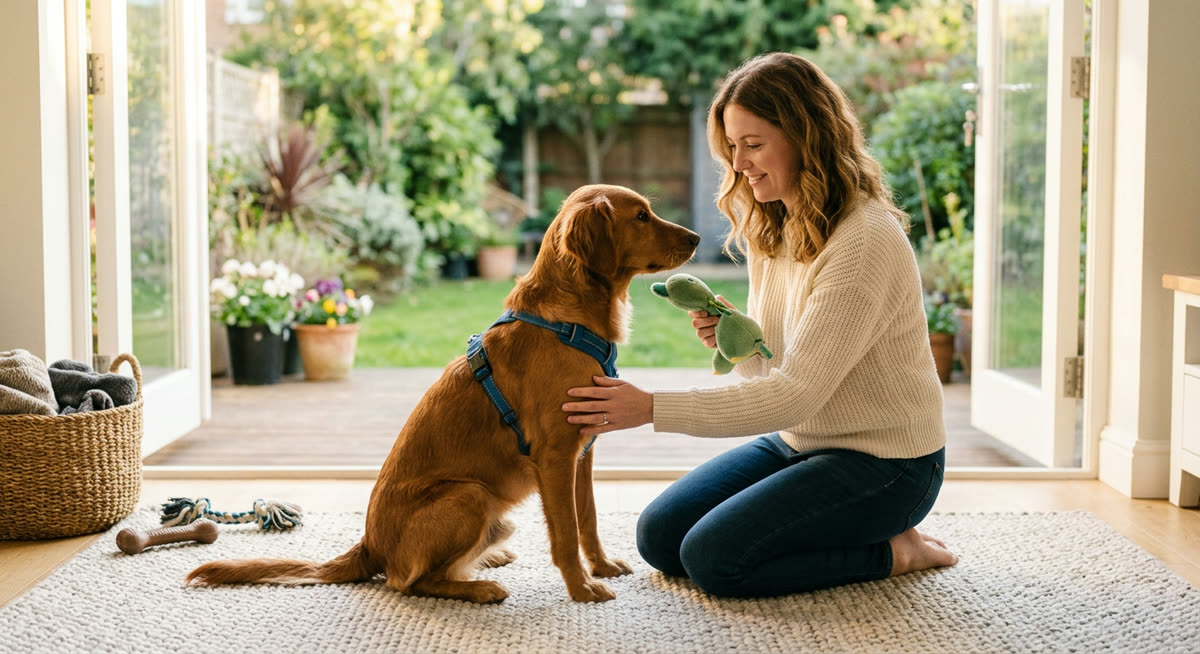
A calm, safety-first approachThis guide provides general education. Contact your veterinarian when symptoms are painful, persistent, or unusual.
- 1
1. Work out when and where your dog digs
For three to five days, supervise garden visits and note where your dog digs, what happens beforehand and how long they have been outside. Look for patterns such as digging beside the fence when someone passes, scraping out a shady resting spot or burying a favourite chew. Notice whether your dog starts after being left alone, following an exciting game or sniffing intensely around one patch of soil. Photograph the affected areas so you can compare them later without relying on memory. If the digging starts suddenly, becomes unusually frantic or happens alongside changes in appetite, movement or behaviour, contact your vet before treating it solely as a training issue. Use your notes to choose changes that address the likely trigger rather than trying to stop every digging movement in the same way.
- Time and location
- Weather and available shade
- What happened just beforehand
- Whether your dog was alone
- Other changes in behaviour
Good to know: A short video taken from a safe distance can help you spot triggers and give your vet or behaviourist useful context.
- 2
2. Make the garden safe before starting training
Walk around the garden without your dog and check holes, fence bases, gates and loose edging for escape routes or injury risks. Fill unwanted holes, firm the soil and temporarily block access while repaired areas settle. Remove exposed bulbs, sharp stones, broken pots and accessible garden chemicals, and check that plants within reach are safe for dogs. Keep your dog indoors while using tools or repairing boundaries, and check for buried services before driving stakes or digging deeper. Until the perimeter is secure, accompany your dog outside and, if needed, use a lead attached to a well-fitting harness rather than letting them roam unsupervised. Avoid chilli, pepper, essential oils, painful surfaces and frightening deterrents, which can harm your dog or make the garden feel unsafe.
- Secure gates and fence gaps
- Fill and firm hazardous holes
- Remove sharp or toxic materials
- Check plants and exposed bulbs
- Provide fresh water and shade
Good to know: Keep a lead by the back door so every garden visit can start safely while repairs and training are underway.
- 3
3. Meet your dog's needs before garden time
Before a garden session, offer an age-appropriate walk with time to sniff rather than relying only on fast exercise to tire your dog out. Adjust activity to your dog's fitness and health, asking your vet for guidance if you are unsure what is suitable. Add a brief reward-based training game or a supervised food puzzle so your dog has something purposeful to do. Use part of their normal daily food allowance for suitable food games and training rewards rather than continually adding extras. In warm weather, provide a cool indoor resting place and move outdoor activity to cooler times instead of expecting your dog to stay in the garden. Give your dog regular opportunities to rest, since an overstimulated dog may need a quiet break rather than another game.
- A relaxed sniffing walk
- A short training game
- A suitable supervised food puzzle
- Access to a cool resting place
Good to know: Offer enrichment before the time your dog usually starts digging, rather than waiting until the flower bed is already disturbed.
- 4
4. Create a digging area your dog can use
Choose a quiet, shaded corner away from fences, vegetable beds and children's play spaces, or use a sturdy digging box with safe, low edges. Make the area large enough for your dog to stand, turn and dig without repeatedly striking the sides. Fill it with clean, loose soil or washed play sand, avoiding fertilised compost, sharp grit and materials of uncertain origin. With your dog watching, partly hide a sturdy toy they enjoy and invite them to investigate without pushing their paws into the surface. Mark any interest with a cheerful word such as 'yes', then reward pawing or digging in that spot with praise, play or a small treat. Supervise use, remove damaged toys and stop the session if your dog starts swallowing the filling, contacting your vet if they ingest it or seem unwell.
- A shaded, accessible location
- Enough room to turn comfortably
- Clean, suitable filling
- A sturdy toy for supervised discovery
- Fresh water nearby
Good to know: If your dog loves one particular type of ground, safely match its texture in the digging area to make the alternative more appealing.
- 5
5. Teach your dog where digging pays off
Practise when your dog is calm, taking them to the approved area and saying a simple cue such as 'dig here' as they begin to paw. Reward them immediately while they are still in that area so the location is clearly linked with the reward. If they head towards a protected bed, call them away before digging starts and reward their return on a path or another permitted surface. If digging has already begun, calmly invite them away without shouting, chasing or grabbing their collar, then pause before guiding them to an appropriate activity. When your dog cannot respond, use distance and a barrier to prevent another attempt, and make the next training session easier. Keep practice to a few minutes at a time, and never punish your dog for a hole discovered later because they will not connect that punishment with the earlier digging.
Good to know: Reward spontaneous choices to rest, sniff or play away from your borders, so attention does not arrive only after unwanted digging.
- 6
6. Protect tempting areas with safe physical boundaries
Use secure, dog-appropriate fencing or sturdy temporary panels to separate your dog from newly planted borders and repeatedly targeted patches. Choose barriers tall and stable enough for your dog's size, with no sharp edges or gaps that could trap their head or paws. Do not lay exposed chicken wire, spikes or loose netting across the ground, as digging dogs can injure themselves or become entangled. For persistent digging beneath a boundary, ask a competent installer about a smooth, securely fitted below-ground barrier after checking for buried services. Move outdoor toys, resting places and the approved digging area away from fence lines that attract escape attempts. If your dog digs towards wildlife or a suspected burrow, prevent access and seek humane advice from a wildlife organisation or qualified professional rather than allowing them to excavate it.
- Stable, appropriately sized barriers
- No sharp edges or trapping gaps
- Protected newly planted beds
- Activities away from boundary fences
- Blocked access to wildlife burrows
- 7
7. Build up calm, supervised garden time
Start with garden visits short enough that you can reward good choices and finish before your dog returns to a favourite digging spot. Stay close enough to notice early signs such as focused sniffing, scraping or repeated pacing along a fence. Offer a choice between their digging area, a suitable toy and a comfortable resting place rather than constantly directing every movement. Increase the length of visits gradually only when your dog is consistently comfortable and using permitted areas. Do not leave your dog unattended on a tether or long line, which can wrap around obstacles or cause injury. If being left alone triggers digging alongside barking, pacing, panting or attempts to escape, keep them safely with you where possible and contact your vet or a qualified reward-based behaviourist for an individual plan.
Good to know: End a successful visit while your dog is still settled, rather than using the first unwanted digging attempt as the usual signal to go indoors.
- 8
8. Troubleshoot recurring digging without escalating punishment
If digging continues, compare the new episodes with your original notes and check which trigger your current plan may be missing. For digging in cool or damp ground during warm weather, improve access to shade, fresh water and a cool indoor space rather than blocking the resting spot alone. If your dog repeatedly buries chews, offer them indoors under supervision and store leftovers when they have finished. If the approved digging area is ignored, move it to a more convenient permitted location, loosen the filling and reward small signs of interest again. Repeated fence-line digging or frantic behaviour needs secure management and professional help, not harsher corrections or extra exercise as a catch-all solution. Seek veterinary advice if the behaviour suddenly intensifies, your dog injures their paws, starts eating soil or shows any other change that concerns you.
- Recheck the timing and trigger
- Improve cooling and comfort
- Manage leftover chews
- Refresh the approved digging area
- Get help for distress or injury
- 9
9. Maintain the habit and repair the garden gradually
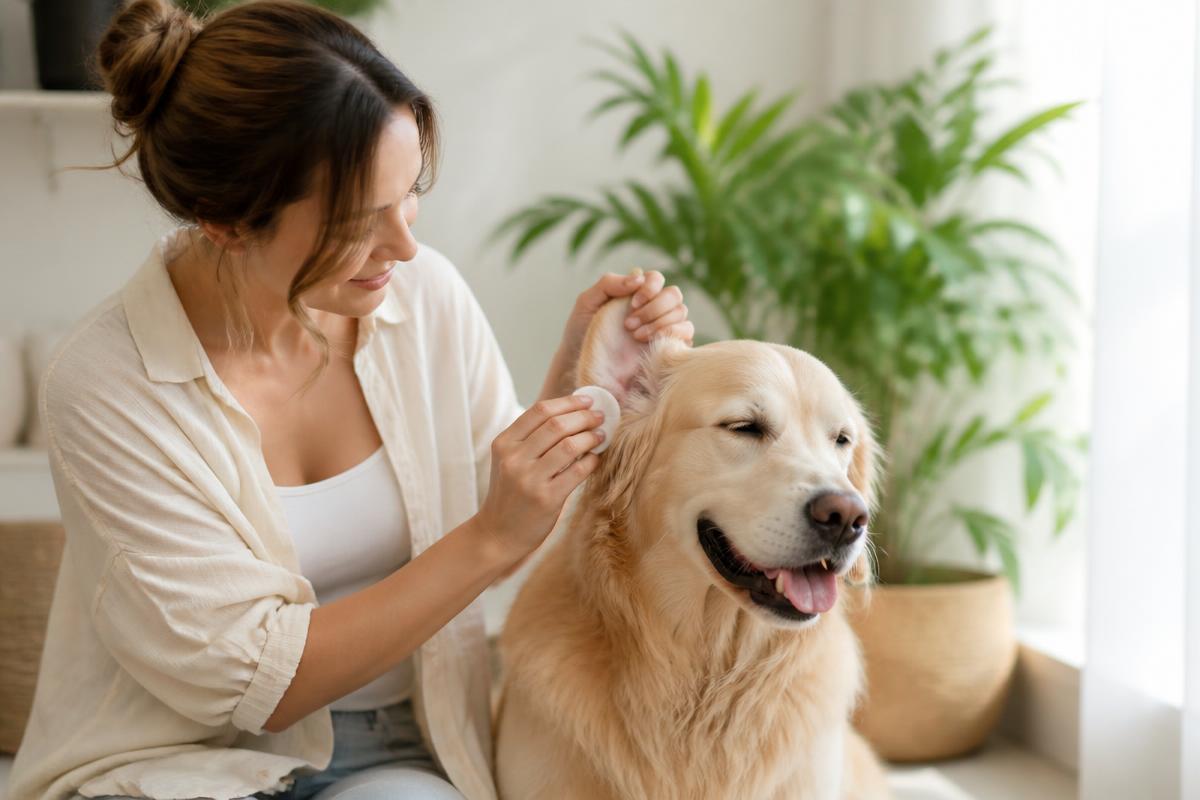
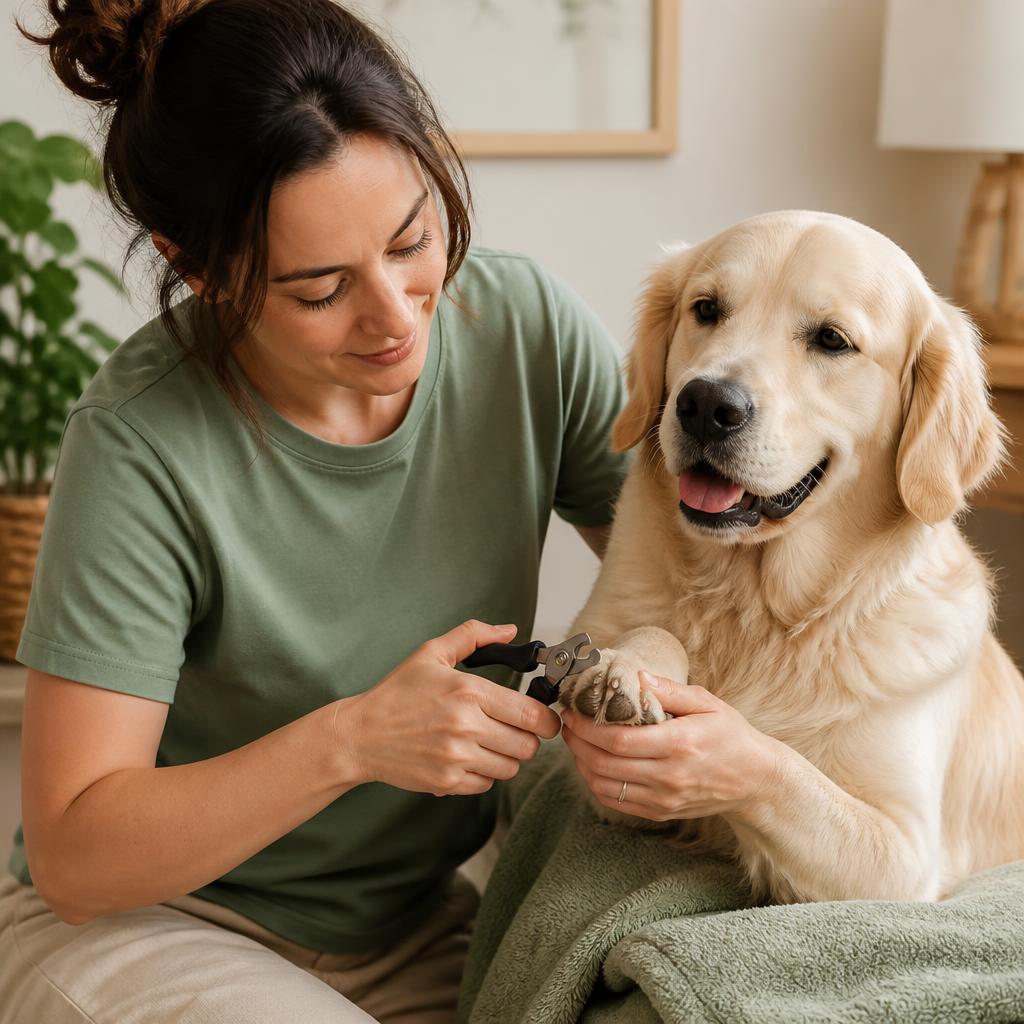
After outdoor sessions, check your dog's paws and nails for trapped grit, soreness or damage, and gently rinse away soil when needed. Contact your vet if you find a wound, persistent licking, swelling or lameness rather than continuing digging practice. Check the approved digging area regularly for droppings, sharp debris and damaged toys, and replace dirty filling as necessary. Review your notes each week, looking for fewer attempts in protected areas and more independent use of the permitted spot. Keep barriers in place while reseeding or replanting, and follow product instructions carefully before allowing your dog near treated ground. Once the new routine is reliable, reduce food rewards gradually while continuing occasional rewards, praise and access to appropriate digging, bringing back closer supervision if the habit returns.
Good to know: Make sure everyone in the household uses the same permitted area and response to unwanted digging, so your dog gets a consistent message.

Ask about this guide
Leave a comment or a question about your own pet and the Pawlito assistant replies right away with practical next steps.