How to Teach Your Dog "Leave It"
Build a calm, reliable leave-it cue with easy food trades, gradual difficulty and plenty of rewards for choosing you.
- Written by
- Pawlito Editorial Team · Pet Care Writers
- Professional review
- Not yet reviewed by a veterinarian
- Published
- Last updated
In this guide (6 steps)
Step 1: Start with a closed hand
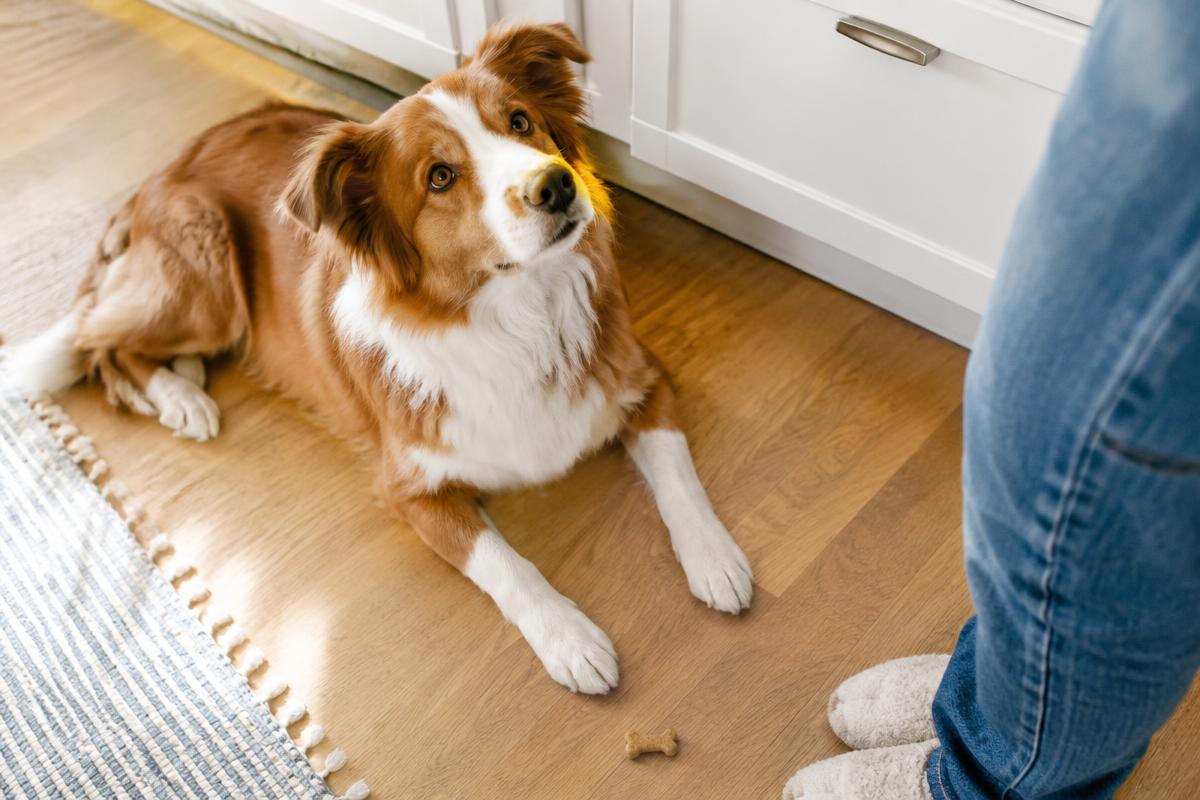
Hold a plain treat in a closed fist at your dog's nose level. Let them sniff, lick or paw without saying anything. The moment they pull back even slightly, mark with a soft yes and reward from your other hand. This teaches that backing away from the item, not grabbing it, is what earns food.
Step 2: Add the cue once the choice is reliable
When your dog backs off your fist quickly in most repetitions, say leave it just before presenting the hand. Say it once, calmly. Always reward with something equal or better than the item they left, delivered from the opposite hand so the forbidden item never becomes the prize.
Step 3: Move to an open hand and then the floor
Show the treat on an open palm, ready to close if your dog moves in. Reward glances away. Next, place the treat on the floor under your hand or foot. Uncover it gradually over many sessions. Keep sessions to three to five minutes so your dog stays engaged and successful.
Step 4: Practise while walking past items
With your dog on a lead, walk past a treat or toy placed at a distance they can manage. Say leave it before they lunge, then reward for staying with you. Shorten the distance only when they succeed easily. A loose lead is the goal; do not jerk the lead or scold.
Good to know: If your dog grabs the item, you moved too fast. Go back one step instead of chasing them.
Step 5: Generalise to real-life situations
Practise with dropped food in the kitchen, a sock on the floor or a ball at the park. Each new place counts as a new lesson, so begin easier there. Keep high-value rewards in your pocket for the first weeks of real-world practice.
Step 6: Manage what you cannot yet control
Until the cue is strong, keep tempting or dangerous items out of reach. If your dog does pick up something risky, trade for a treat rather than prying it away. If you think your dog has swallowed something harmful, contact a veterinarian promptly.
This guide was drafted with AI assistance and published by the Pawlito team. It has no formal source list yet. Spotted an error? Tell us and we'll correct it. Read our editorial policy.
Ask about this guide
Leave a comment or a question. Comments are public, so use a first name only and don't include emails, phone numbers or addresses. An automated assistant may reply straight away with general suggestions — it can't diagnose your pet.