How to Teach a Dog to Swim Safely
Learn how to teach a dog to swim with a fitted life jacket, gentle introductions, short practice sessions, and essential water-safety precautions.
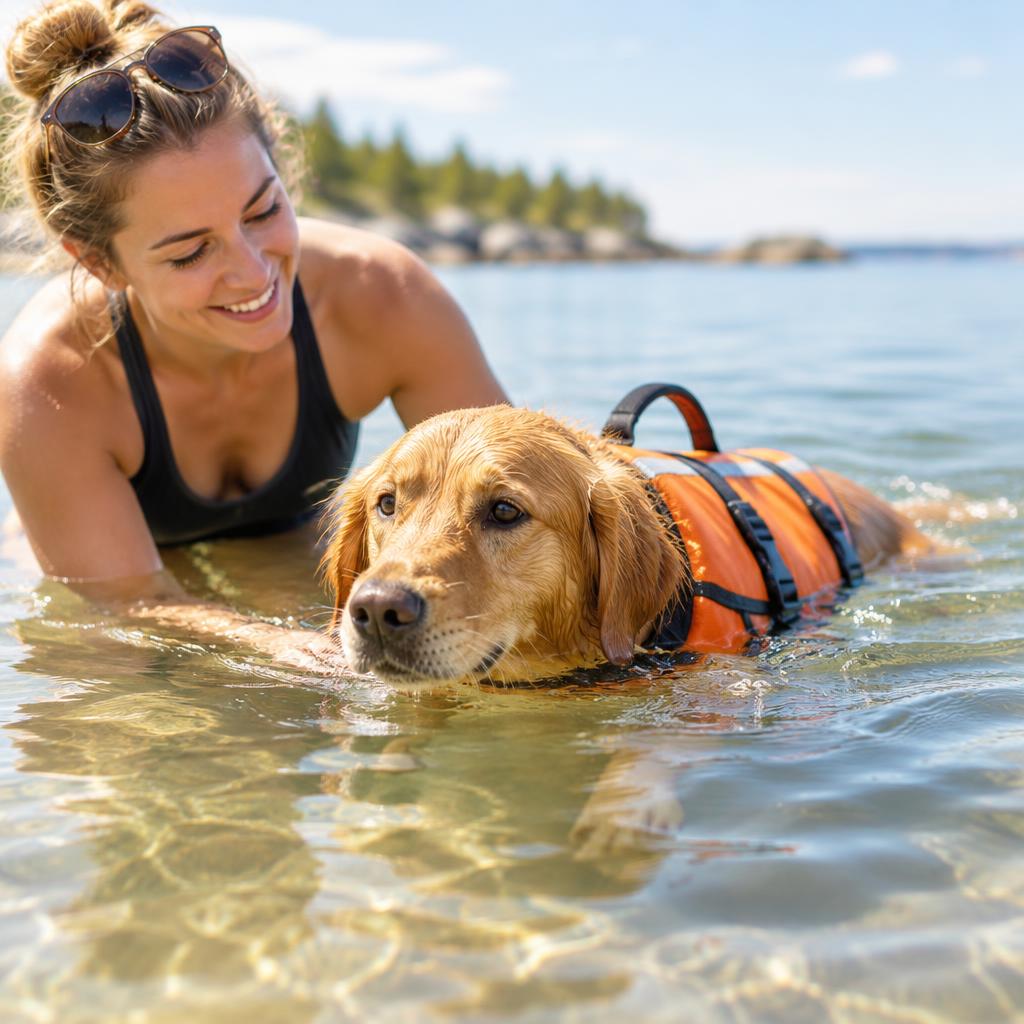
A calm, safety-first approachThis guide provides general education. Contact your veterinarian when symptoms are painful, persistent, or unusual.
- 1
Check whether swimming is right for your dog
Step 1: Consider your dog's health, build, age, and confidence before planning a swimming lesson, because not every dog enjoys water or can swim safely. Speak with your veterinarian first if your dog has breathing difficulties, mobility limitations, a heart condition, recent surgery, or any other medical concern that could make exercise in water risky. Flat-faced dogs, dogs with heavy bodies and short legs, and very young or senior dogs may need extra precautions, and swimming may not be appropriate for some individuals. Even breeds associated with water need a gradual introduction rather than being expected to paddle confidently on their first visit. Choose a day when your dog seems comfortable and well rested, and make the first goal relaxed exploration rather than swimming a particular distance. If your veterinarian advises against swimming, or your dog consistently dislikes it, supervised shallow-water play or a different activity can be a perfectly good alternative.
- Discuss medical concerns with your vet
- Consider body shape and stamina
- Start with realistic expectations
- Respect your dog's preferences
Good to know: Define success as a calm, willing dog—even if the first session involves only looking at the water from a comfortable distance.
- 2
Fit a canine life jacket and gather supplies
Step 2: Choose a dog-specific life jacket with secure adjustable straps, useful buoyancy, good visibility, and a sturdy handle that can help you guide your dog toward an exit. Follow the manufacturer's sizing and fitting instructions, checking that the jacket does not slide around, restrict breathing, or rub behind the front legs when your dog walks. Let your dog wear it briefly at home while receiving praise and small treats, then increase the time gradually until moving in it feels ordinary. A life jacket adds protection but does not make a dog drown-proof or replace close supervision, especially when a dog is frightened or tired. Pack fresh drinking water, a bowl, towels, waste bags, and small rewards, and remove any training collar or equipment that could tighten or snag. Use a standard leash for the approach if needed, but never tie your dog near water or allow a trailing line to create an entanglement risk during swimming.
- Properly fitted canine life jacket
- Fresh water and drinking bowl
- Towels and small training treats
- Standard leash for safe access
Good to know: Check the jacket's fit again once it is wet, and follow its instructions about whether the handle is designed to support your dog's full weight.
- 3
Choose calm water with an easy exit
Step 3: Find a permitted swimming area with calm, clean water, a firm nonslip approach, and a shallow entry where your dog can walk in and back out without encountering a sudden drop. A well-managed dog swimming facility with a suitable ramp can be a useful option, especially if you would like help from an experienced canine swimming instructor. Avoid strong currents, breaking waves, boat traffic, steep banks, slippery rocks, fishing tackle, and places where you cannot clearly identify a safe route back to shore. Check local water-quality notices and stay out of water with posted warnings, surface scum, suspicious discoloration, or a strong unpleasant smell, remembering that harmful contamination is not always visible. Choose comfortable weather and water conditions, postponing the lesson if there is extreme heat, cold, a thunderstorm, or any uncertainty about safety. Decide how you will supervise without putting yourself at risk, because you should never enter hazardous water to conduct a lesson or attempt a rescue.
- Calm water without currents or waves
- Firm footing and gradual entry
- Clear water-quality guidance
- Visible, easily reached exit
- No boats, hooks, or submerged hazards
Good to know: Visit without your dog first if possible so you can assess access, exits, water notices, and nearby distractions before managing a nervous learner.
- 4
Build confidence at the water's edge
Step 4: Begin far enough from the water that your dog can remain relaxed, respond to you, and investigate the surroundings without pressure. Walk toward the edge at your dog's pace, rewarding voluntary approaches with a cheerful voice or a small treat offered while standing safely on dry ground. Let your dog sniff, watch the water move, and touch it with one paw before asking for anything more, because unfamiliar sounds and surfaces can be a lesson on their own. Never throw your dog into water, pull them forward by the leash, or carry them out and release them to force a swimming response. If your dog freezes, backs away, tucks their tail, trembles, or repeatedly tries to leave, increase the distance and return to something they can do comfortably. Keep this introduction to a few easy minutes and finish calmly, accepting that several shoreline visits may be necessary before your dog chooses to wade.
- Reward voluntary approaches
- Allow sniffing and observation
- Keep the leash loose
- Pause when confidence drops
Good to know: Offer rewards on stable footing rather than holding food over deeper water, which can tempt a hesitant dog farther than they are ready to go.
- 5
Practice wading and finding the way out
Step 5: Once your dog willingly approaches the water, invite them into a shallow section where all four feet can remain securely on the bottom. Stay beside them on safe footing and let them move forward only while their body language remains loose and comfortable. After a short pause, turn together and walk back out through the same gentle entry, rewarding your dog after they reach stable ground. Repeat these easy in-and-out trips so leaving the water becomes a familiar skill before your dog needs to rely on it while swimming. In a pool, use an appropriate nonslip ramp or accessible steps and practice approaching that exact exit, because dogs may otherwise paddle toward an edge they cannot climb. Add a simple cue such as 'out' as you guide your dog toward the exit, but do not assume a newly learned cue will work without help in an emergency.
- Begin with four feet on the bottom
- Use one obvious exit
- Practice leaving repeatedly
- Reward on stable ground
Good to know: A visible landmark beside the exit may help orient your dog, but it should supplement—not replace—repeated exit practice and hands-on supervision.
- 6
Support the first brief swim
Step 6: When your dog is comfortable wading and returning to shore, allow a voluntary move just beyond standing depth while you remain within reach on secure footing. Keep the first swim directed toward the nearby exit rather than away from it, so your dog has a short, understandable route back to safety. If needed, use the life jacket's handle to steady your dog gently without lifting the front end into an upright position, and support the body only if you can do so safely. Look for a reasonably level posture with the nose comfortably above water, and guide your dog straight out if frantic splashing, a sinking rear end, or distress develops. Never hold your dog in deeper water to make them keep paddling, and do not use the jacket handle to tow them through a lesson they are trying to escape. Let the first swim last only a few seconds before helping your dog exit, then offer quiet praise and a proper rest on dry ground.
- Let your dog enter voluntarily
- Stay within immediate reach
- Aim toward the nearby exit
- Stop at the first sign of distress
Good to know: If you cannot safely reach and support your dog while staying stable yourself, use a suitable canine swimming facility rather than improvising in deeper water.
- 7
Keep practice short and watch for trouble
Step 7: Build confidence through a few brief swims separated by generous dry-land rests, ending the session while your dog is still comfortable rather than waiting for obvious exhaustion. Increase swimming time gradually across later visits only when your dog remains eager, moves comfortably, and exits reliably, remembering that fitness on land does not guarantee swimming stamina. Stop immediately for slowing strokes, repeated attempts to climb onto you, shivering, persistent coughing, unusual breathing, or difficulty keeping the face above water, and seek veterinary advice for medical concerns. Offer fresh drinking water during breaks and prevent gulping pool, lake, or seawater, since excessive water intake, salt, and contaminants can cause serious harm. Avoid repeated toy throws or prolonged swimming with a toy held in the mouth during early lessons, particularly if your dog swallows water while retrieving. Breathing difficulty, collapse, confusion, or marked weakness during or after swimming requires urgent veterinary attention, and suspected exposure to harmful algae warrants immediate veterinary advice even before symptoms appear.
- Alternate brief swims with rests
- Watch breathing and body position
- Offer fresh drinking water
- Stop before fatigue develops
- Know the nearest emergency vet
Good to know: Enthusiasm is not a reliable measure of energy reserves: some dogs will keep chasing a toy long after they need to stop.
- 8
Rinse, recover, and secure the water area
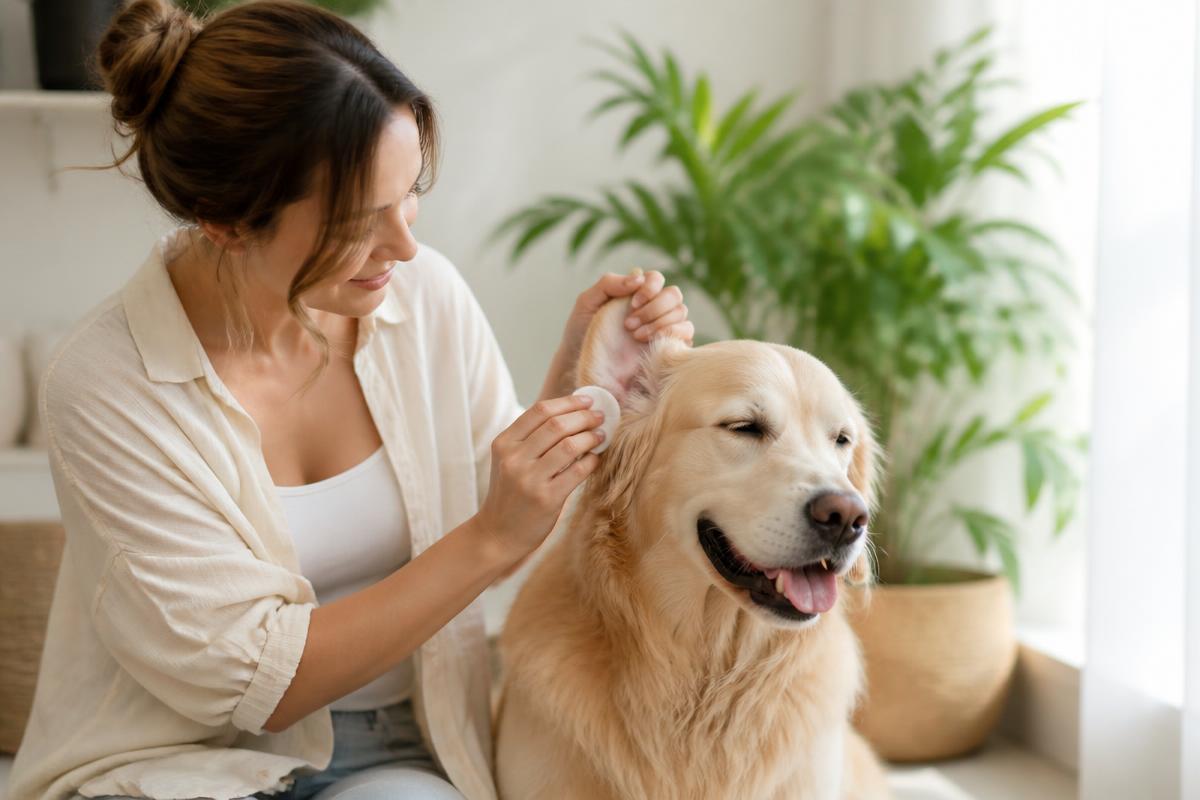
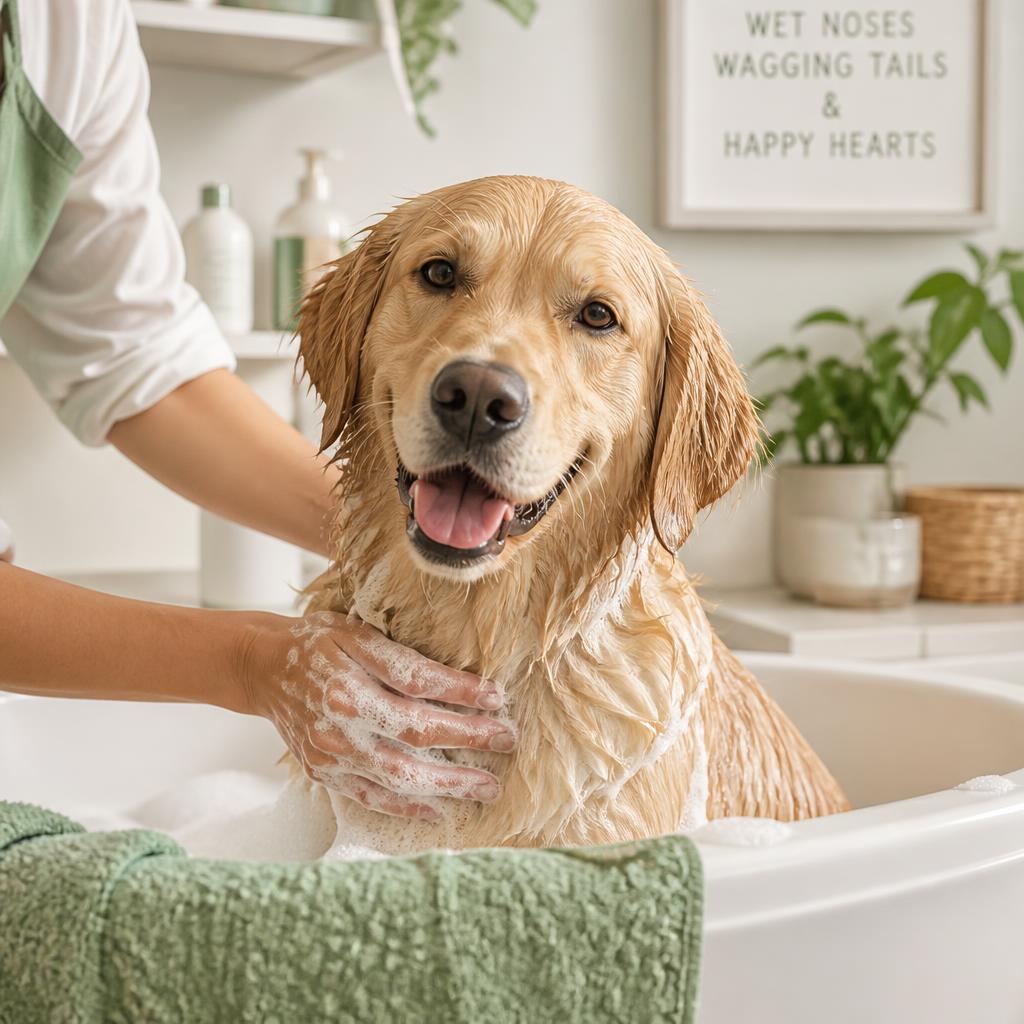
Step 8: After an ordinary swim, rinse your dog with clean fresh water to remove chlorine, salt, sand, or other residue, then towel-dry thoroughly and provide a comfortable place to rest. Dry the outer ears gently without inserting anything into the ear canals, and ask your veterinarian about appropriate care if your dog has recurring ear concerns. Check the paws, skin, and areas beneath the life jacket for cuts, irritation, or rubbing, and arrange veterinary care for injuries or persistent discomfort. Continue watching your dog afterward, contacting a veterinarian promptly for new coughing, vomiting, unusual lethargy, or other concerning changes, and seeking emergency help for any breathing difficulty. If your dog struggled underwater or required rescue, obtain urgent veterinary assessment even if they seem to recover, because appearing better does not rule out complications. Between lessons, block unsupervised access with appropriate barriers, keep pool gates secured, and remember that neither swimming lessons nor a pool cover makes an unattended dog safe around water.
- Rinse and towel-dry
- Inspect paws and jacket contact areas
- Monitor for concerning changes
- Secure gates and water access
Good to know: Record what your dog managed comfortably, then begin the next visit with that familiar success instead of immediately asking for a longer swim.
Ask about this guide
Leave a comment or a question about your own pet and the Pawlito assistant replies right away with practical next steps.