How to Teach a Puppy to Respond to Their Name
Turn your puppy's name into a happy attention signal with short, rewarding sessions you can practise anywhere.
- Written by
- Pawlito Editorial Team · Pet Care Writers
- Professional review
- Not yet reviewed by a veterinarian
- Published
- Last updated

In this guide (6 steps)
Step 1: Pick one name and use it kindly
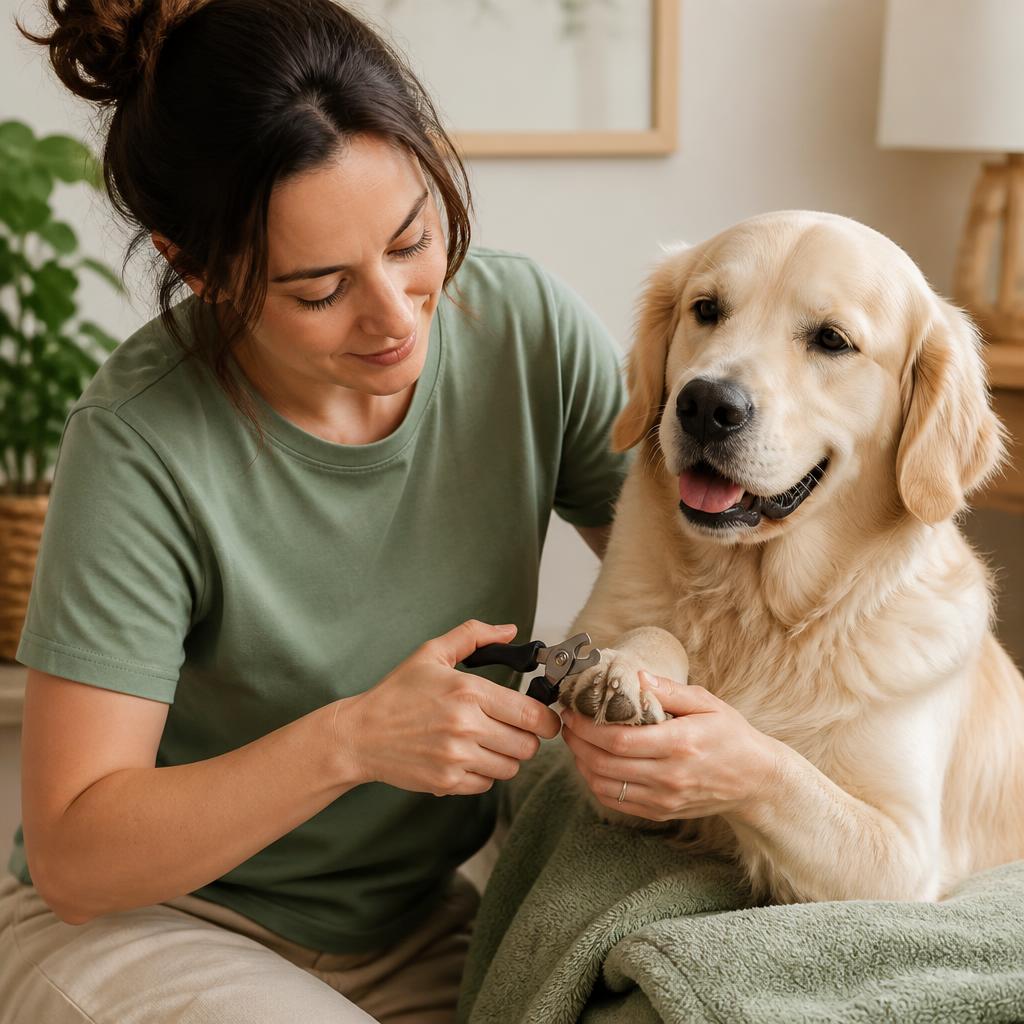
Choose a short name your household agrees on and use it consistently. Avoid using the name when scolding or for unpleasant things like nail trims. You want the name to predict good things, so your puppy turns toward it eagerly every time.
Step 2: Say the name once, then reward
In a quiet room, say your puppy's name in a cheerful voice. The instant they look at you, mark with yes and give a small treat. If they do not look, make a small sound to help, then reward. Repeat five to ten times, then stop while it is fun.
Step 3: Avoid repeating the name
Saying a name over and over teaches puppies to ignore it. Say it once. If there is no response, move closer, reduce distractions, and try again later. Success should come easily in early sessions.
Step 4: Add distance and mild distractions
Once your puppy responds reliably at close range, practise from across the room, then in another room, then with a toy on the floor. Increase only one challenge at a time and return to easier settings if responses slow down.
Good to know: Keep tiny, soft treats in a pouch so you can reward the moment it happens.
Step 5: Practise outdoors gradually
Try in the garden or a quiet street on a lead. Outdoor smells are exciting, so expect a slower response at first. Reward generously and keep sessions brief. A good name response is the foundation for recall and other training.
Step 6: Keep it positive for life
Continue rewarding name responses occasionally even after your puppy learns it. Mix treats with praise, play and access to things they love. A name that always pays off stays strong as your puppy grows.
This guide was drafted with AI assistance and published by the Pawlito team. It has no formal source list yet. Spotted an error? Tell us and we'll correct it. Read our editorial policy.


Ask about this guide
Leave a comment or a question. Comments are public, so use a first name only and don't include emails, phone numbers or addresses. An automated assistant may reply straight away with general suggestions — it can't diagnose your pet.