How to Get Your Bird to Eat Vegetables
Patient, creative ways to introduce fresh vegetables to a seed-loving pet bird without stress.
- Written by
- Pawlito Editorial Team · Pet Care Writers
- Professional review
- Not yet reviewed by a veterinarian
- Published
- Last updated
In this guide (6 steps)
Step 1: Choose bird-safe vegetables
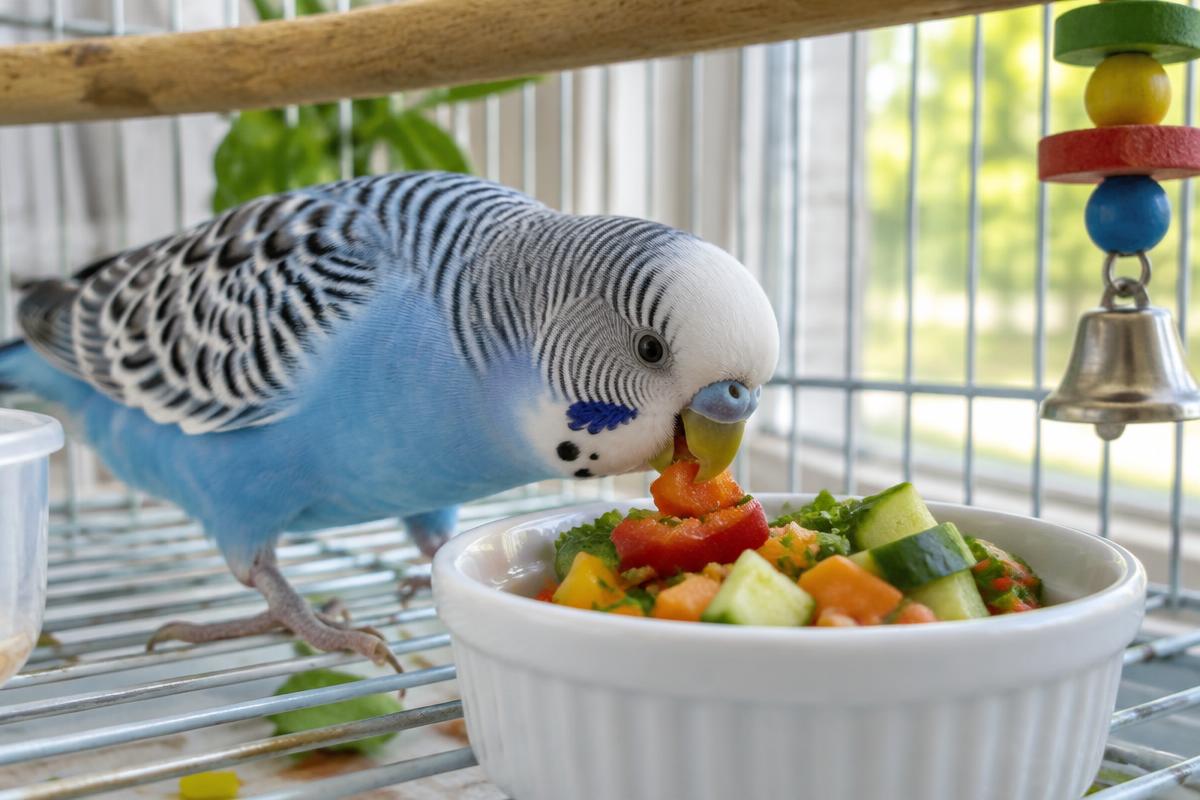
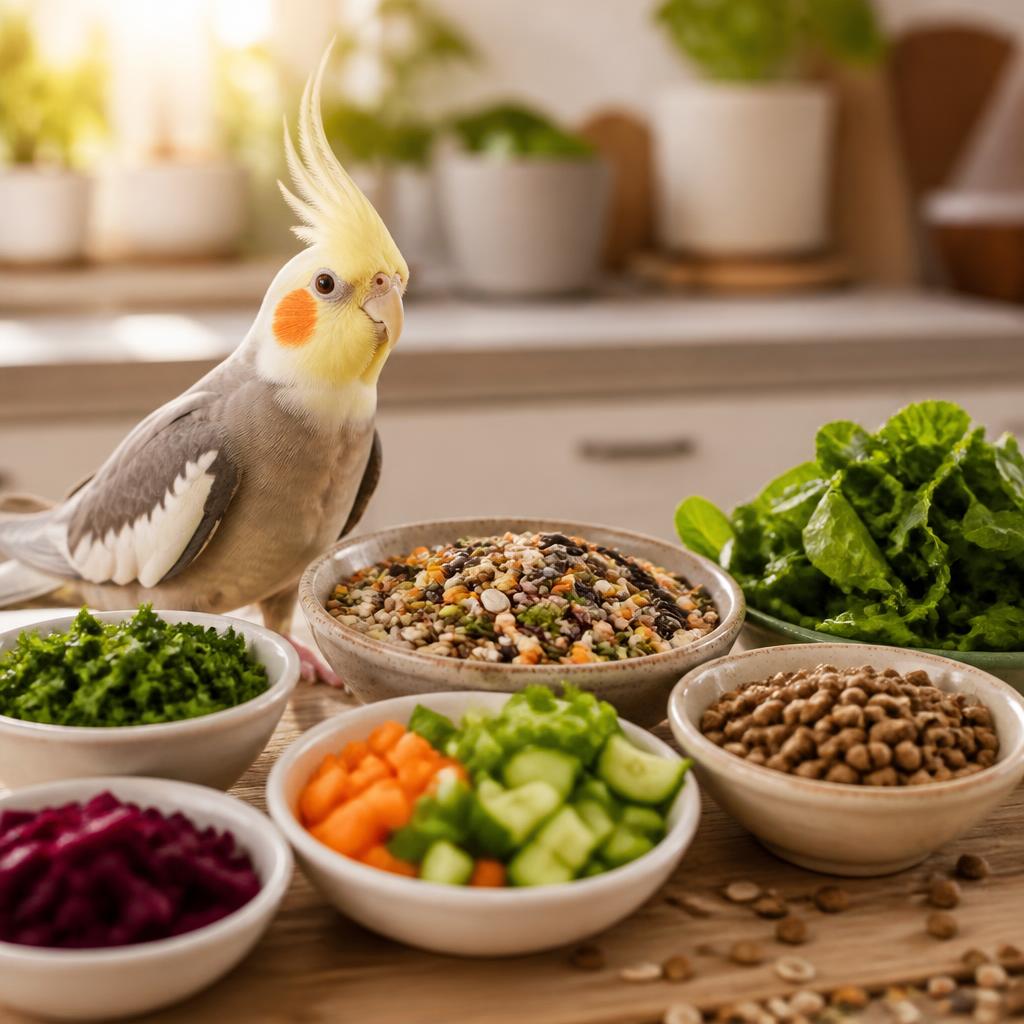
Common safe options include leafy greens, bell peppers, carrots, broccoli, cucumber and squash. Avoid avocado, onion, garlic and anything seasoned. Ask an avian veterinarian about the right balance for your species.
Step 2: Offer when your bird is hungry
Present fresh vegetables first thing in the morning before the usual food, when appetite is strongest. Remove fresh food after a few hours so it does not spoil.
Step 3: Try different shapes and textures
Some birds prefer chopped pieces, others like whole leaves, shredded strips, grated vegetables or skewers. Change one thing at a time to learn what your bird likes.
Step 4: Eat with your bird
Birds are social eaters. Sit near the cage and eat the same vegetable yourself, showing enthusiasm. Offer a piece from your plate. Many birds become curious when they see you eating.
Good to know: Clip greens to the cage bars to turn them into a foraging toy.
Step 5: Mix into familiar foods
Finely chop vegetables and sprinkle a little over a small amount of familiar food. Gradually increase the vegetable portion over weeks.
Step 6: Be patient and track progress
It can take many exposures before a bird tastes something new. Keep offering daily. Never starve a bird to force a diet change; sudden changes can be dangerous, so involve your veterinarian for major diet shifts.
This guide was drafted with AI assistance and published by the Pawlito team. It has no formal source list yet. Spotted an error? Tell us and we'll correct it. Read our editorial policy.
Ask about this guide
Leave a comment or a question. Comments are public, so use a first name only and don't include emails, phone numbers or addresses. An automated assistant may reply straight away with general suggestions — it can't diagnose your pet.