How to Tell If Your Bird Is Sick and What to Do
Birds hide illness until they are very unwell — learn the early warning signs and when to see an avian vet fast.
- Written by
- Pawlito Editorial Team · AI-assisted guide
- Professional review
- Not yet reviewed by a veterinarian
- Published
- Last updated
In this guide (8 steps)
Step 1: Understand why birds hide illness
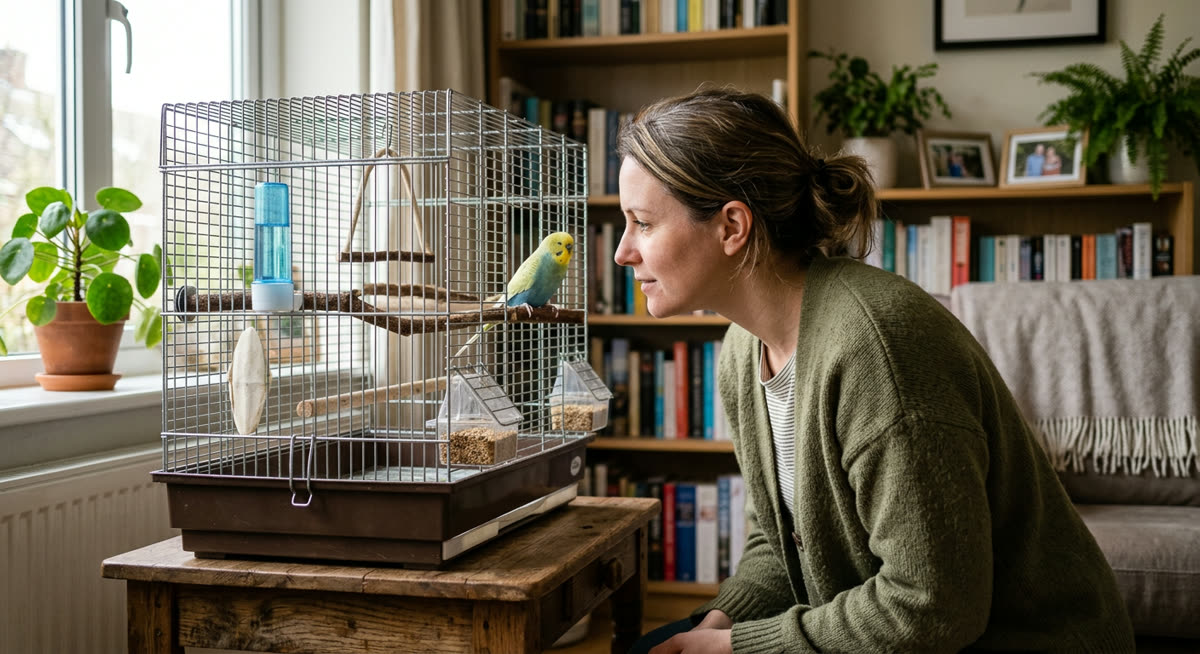
In the wild, a visibly sick bird is targeted by predators, so birds instinctively mask symptoms until they can no longer compensate. By the time a bird looks obviously ill, they are often seriously unwell. This makes daily observation the single most important health habit a bird owner can build. You are looking for small changes, not dramatic ones.
Step 2: Learn the early warning signs
Fluffed-up feathers for long periods, sitting at the cage bottom, sleeping more than usual, and reduced chatter are classic early signs. Watch for changes in appetite, watery or discoloured droppings, tail bobbing while breathing, and discharge from the eyes or nostrils. A bird who stops singing or playing is telling you something. Any one of these signs warrants close attention; several together mean act now.
Good to know: Tail bobbing with each breath is an emergency sign — a bird working hard to breathe needs a vet immediately.
Step 3: Check droppings daily
Droppings are the easiest daily health check. Normal budgie droppings have a dark solid part, white urates and a little clear urine. Watery droppings, colour changes, blood or undigested seed are all warning signs. Changing the cage paper daily makes monitoring effortless. Photograph anything unusual to show your vet.
Step 4: Weigh your bird weekly
Weight loss is often the very first measurable sign of illness, invisible to the eye under feathers. Use a small digital kitchen scale with a perch attached, weighing at the same time each week. A loss of more than five to ten percent of body weight is significant. Keep a simple record so trends are obvious.
Step 5: Provide immediate supportive care
A sick bird needs warmth first — raise the ambient temperature to around 26 to 29 degrees Celsius using a heat lamp or covered heat pad beside the cage, letting the bird move away from the heat if they choose. Move the cage somewhere quiet and dim. Offer easy-to-eat favourite foods and fresh water. Do not attempt home medication.
- Warmth is the priority — sick birds cannot regulate temperature well
- Reduce stress: quiet room, no handling beyond essentials
- Never give human medicines or home remedies
Step 6: Find an avian vet before you need one
Not all vets are experienced with birds, and emergencies do not wait for research. Locate an avian vet or exotics practice near you now and save their number. Register your bird as a patient if the practice allows. Know their out-of-hours arrangements. This single step saves lives.
Step 7: Know the true emergencies
Difficulty breathing, bleeding that does not stop, seizures, sitting fluffed on the cage floor, or any injury needs same-day veterinary attention. Birds deteriorate fast — a 'wait and see' approach that works for dogs can be fatal for birds. When in doubt, phone the avian vet and describe what you see.
Step 8: Prevent illness with good husbandry
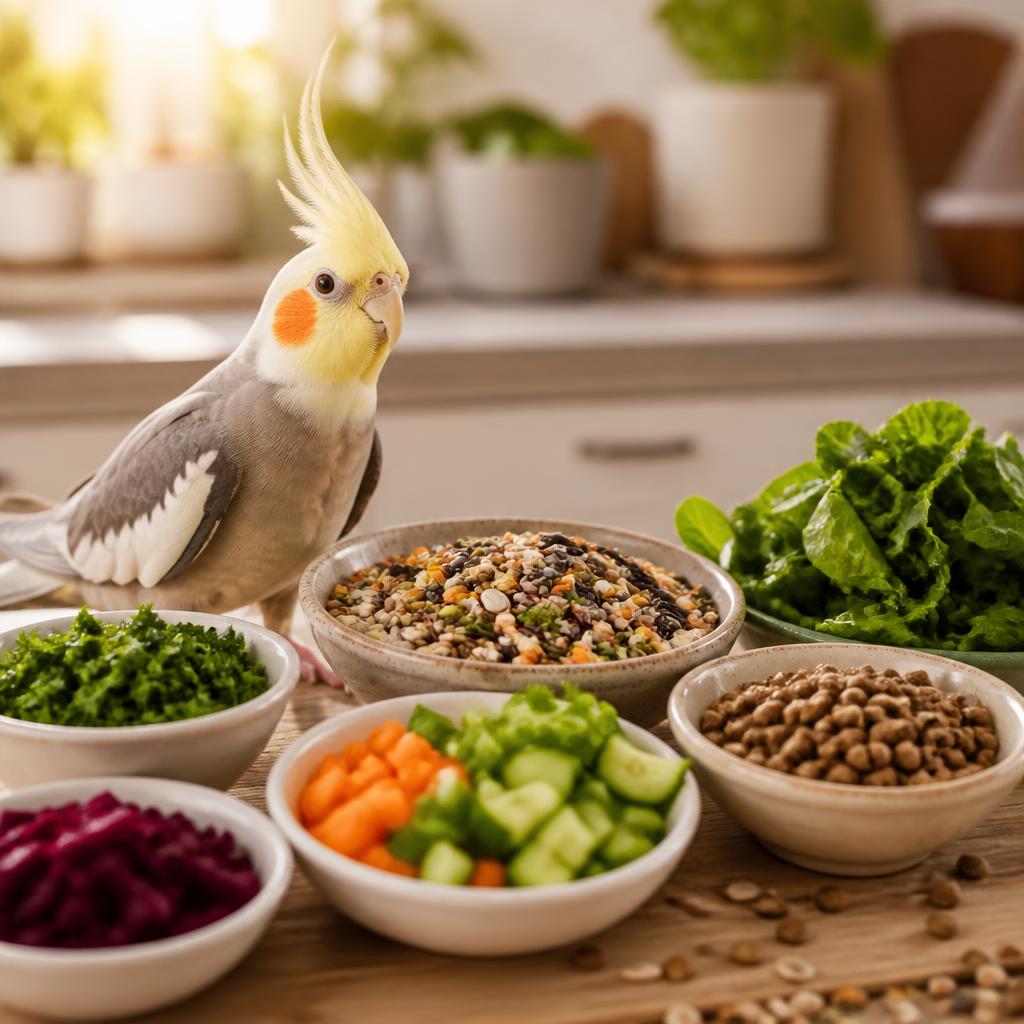
Most bird illness traces back to diet, hygiene or environment. A pellet-based diet with fresh vegetables, daily water changes, weekly cage cleaning and good air quality prevent the majority of problems. Avoid smoke, aerosols, scented candles and non-stick fumes anywhere near birds. Annual check-ups with an avian vet catch problems you cannot see.
Good to know: Quarantine any new bird for at least thirty days in a separate room before introducing them to existing birds.
This guide was drafted with AI assistance and published by the Pawlito team. It has no formal source list yet. Spotted an error? Tell us and we'll correct it. Read our editorial policy.
Ask about this guide
Leave a comment or a question. Comments are public, so use a first name only and don't include emails, phone numbers or addresses. An automated assistant may reply straight away with general suggestions — it can't diagnose your pet.