How to Weigh Your Pet Bird Without Stress
Build a calm weighing routine with a stable scale, gradual practice, and rewards so you can track your bird’s weight consistently.
- Written by
- Pawlito Editorial Team · AI-assisted guide
- Professional review
- Not yet reviewed by a veterinarian
- Published
- Last updated
In this guide (7 steps)
Step 1: Choose a scale and stable setup
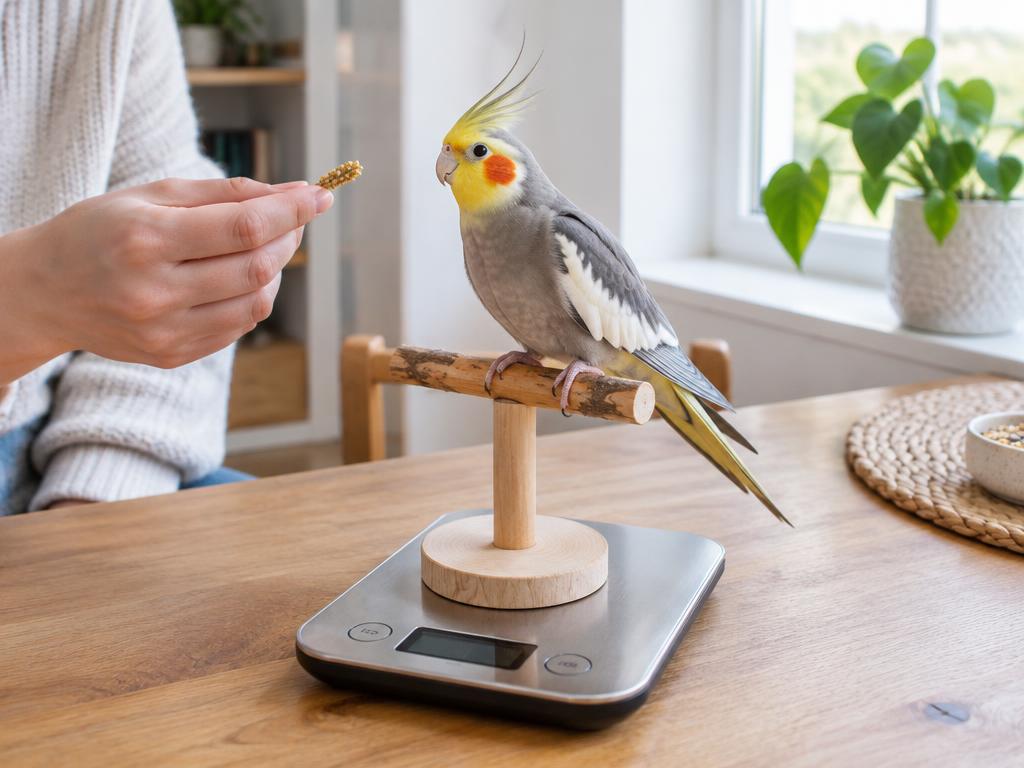
Select a digital scale with capacity and resolution appropriate for your bird; an avian veterinary team can advise on precision for small species. Use a firm level surface away from edges, drafts, and pets. Add a securely fitted low perch or shallow platform with good footing. Avoid exposed adhesive, slippery surfaces, and loose fabric loops. Confirm that stepping onto one side cannot tip the setup.
- Check batteries and stable readings.
- Keep the surface low to reduce fall risk.
Step 2: Let equipment become familiar
Place the switched-off scale where your bird can observe comfortably during supervised time. Reward relaxed looking and approaching without drawing the bird closer than it chooses. Increase distance for freezing, leaning away, or escape attempts. Introduce display lights and operating sounds separately. Several brief uneventful sessions work better than a long session ending in avoidance. Allow your bird to leave the practice area.
Good to know: Reward and permit disengagement so the scale does not become a trap.
Step 3: Practice stepping onto the perch
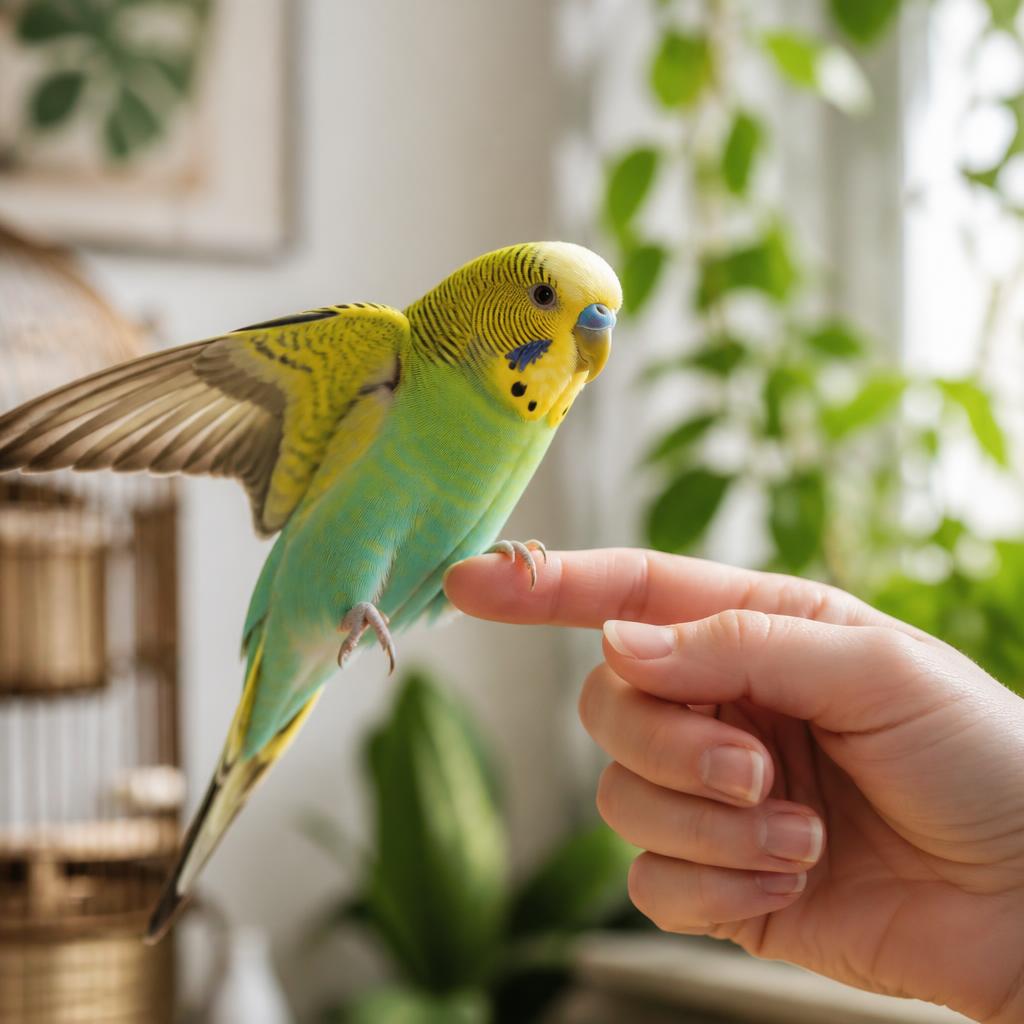
Begin with the perch off the scale if that is easier. Use a familiar step-up or reward voluntary movements toward it. Mark movement and deliver a tiny preferred treat immediately. Progress from one foot touching to both feet supported. Never push the chest, pull feet, or chase onto the perch. Finish while your bird remains willing and return to an easier stage if confidence decreases.
Step 4: Zero before measuring
Place the complete empty platform on the scale and use tare to exclude its weight. Confirm zero before inviting your bird aboard. Touching your hand, another perch, or furniture can create an inaccurate reading because weight is supported elsewhere. Keep hands near for safety without holding the bird. Wait for a steady number, record it, then reward. Recheck setup rather than assuming every unusual number is biological.
Good to know: Keep rewards beside you to avoid reaching across the bird.
Step 5: Use consistent timing without restriction
Weigh at similar times and conditions for useful comparisons. Shortly after waking before the usual breakfast may be practical only if normal feeding is not delayed and veterinary instructions allow it. Never withhold food or water to lower a number or increase motivation. Young, ill, and medically managed birds may need different routines. Ask your avian veterinarian about suitable frequency and timing for the individual.
Step 6: Record trends and concerning changes
Record date, time, weight, and recent eating. Look for patterns rather than interpreting every small fluctuation as illness. Recheck unexpected readings after confirming zero and stability without repeatedly stressing your bird. Contact an avian veterinarian promptly for unexplained changes, especially with reduced appetite, abnormal droppings, weakness, or changed behavior. Do not drastically change diets based on a single measurement.
- Ask for a bird-specific action threshold.
- Bring the log to routine and urgent appointments.
Step 7: End early and preserve an easy routine
After a reliable reading, invite your bird back to a familiar perch and offer a reward or preferred activity. Avoid attaching unwanted restraint or nail checks to every weighing session. If cooperation deteriorates, reward easy approaches again rather than insisting on a number. For medically urgent measurements that cannot be obtained voluntarily, ask the veterinary team for a safer plan instead of improvising force.
Good to know: Occasionally practice an easy step on and off without needing a reading.
This guide was drafted with AI assistance and published by the Pawlito team. It has no formal source list yet. Spotted an error? Tell us and we'll correct it. Read our editorial policy.
Ask about this guide
Leave a comment or a question. Comments are public, so use a first name only and don't include emails, phone numbers or addresses. An automated assistant may reply straight away with general suggestions — it can't diagnose your pet.